



- B&B Hospital: Announced the successful launch of Nepal’s first-ever robotic surgery, utilizing advanced robotic systems to offer cutting-edge care.
- Chitwan Medical College (CMC): Invested approximately Rs 320 million to launch its robotic surgery unit, which has already successfully completed over 20 surgeries.
Robotic surgery in Nepal is currently used for complex, minimally invasive procedures, including:
- Urological Conditions: Prostatectomies (prostate removal) and other kidney-related surgeries.
- Gynecological Procedures: Hysterectomies and treatments for complex gynecological issues.
- Gastrointestinal (GI) Surgeries: Complex abdominal surgeries.
- General Surgery: Gall bladder removal, fundoplication, and hernia repairs.
- Dr. Pratik Man Singh Gurung: A leading robotic surgeon in Nepal who has conducted over 400 robotic surgeries, brings expertise from the US and UK to the local healthcare system.
- Advantages: The technology provides 3D, high-definition, magnified views, allowing for superior precision, less blood loss, fewer complications, and shorter recovery times compared to traditional open surgery.
- Cost: While relatively expensive, the service is designed to be a local alternative to traveling abroad, with costs at CMC ranging between Rs 40,000 and Rs 200,000, according to reports.
What is Robotic Surgery?
Robotic surgery, also known as robot-assisted surgery, allows doctors to perform various types of complex procedures with more precision, flexibility, and control than is possible with conventional techniques. The surgery is usually minimally invasive, meaning it involves smaller incisions, less pain, and quicker recovery for patients. - How Does It Work?
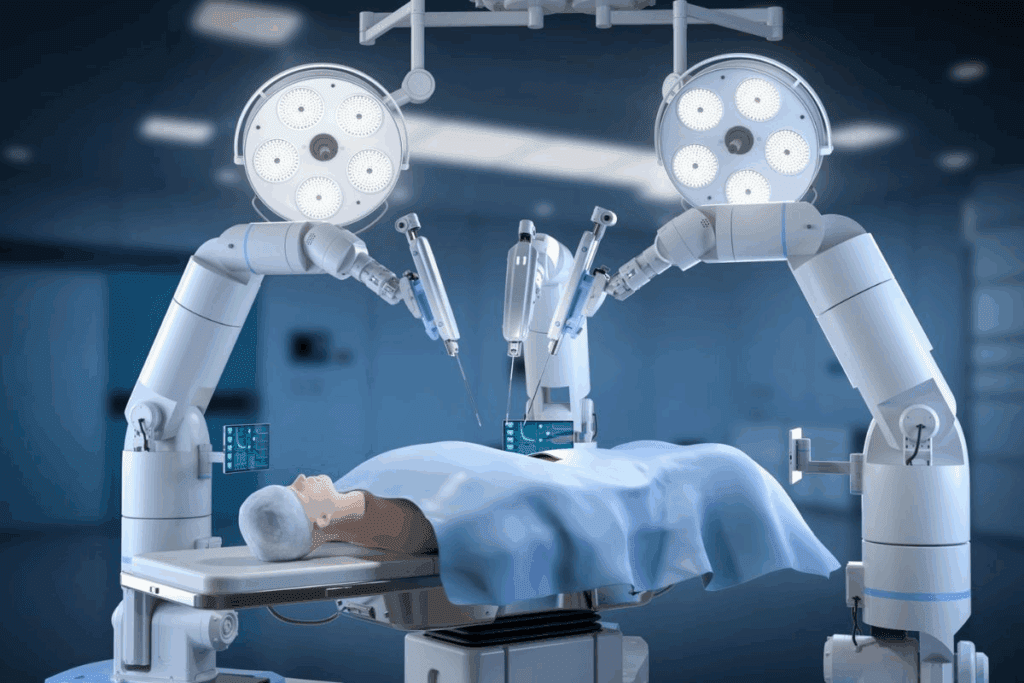
In robotic surgery, the surgeon controls a robot with small instruments attached to robotic arms. The surgeon maneuvers the instruments through a console equipped with a high-definition 3D camera that provides a magnified view of the surgical site. The robotic system translates the surgeon’s hand movements into smaller, precise movements of tiny instruments inside the patient’s body.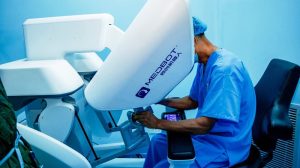
- Benefits of Robotic Surgery:
Enhanced Precision: The robotic arms have a greater range of motion than a human hand, allowing for more accurate and controlled movements during surgery.
Minimally Invasive: Smaller incisions lead to less scarring, reduced blood loss, and shorter hospital stays.
Reduced Recovery Time: Patients typically experience quicker recovery times, allowing them to return to their normal activities sooner.
Fewer Complications: The precision of robotic surgery reduces the likelihood of complications during and after surgery.Common Applications:
Robotic surgery is commonly used in procedures such as prostatectomies, hysterectomies, cardiac surgeries, and gastrointestinal surgeries, among others. Its applications continue to expand as technology advances, offering new possibilities in various surgical fields










Discussion about this post