













Key Takeaways
- Coffee may help reduce cancer risk. Studies show that drinking regular or decaf coffee is linked to a reduced risk of liver and endometrial cancers. Some studies show that coffee may also decrease the risk of prostate, mouth and colon cancers.
- You may see warnings about the risk of acrylamide in coffee. There is no reason to be alarmed. Studies show that it is not considered a cancer risk in the amount of coffee that most people drink, which is three cups of coffee per day.
- At a coffee shop, drinks range from black coffee with 2 calories per cup, to sugar-laden blended beverages that have close to 1000 calories per serving. If you order wisely, you can avoid excess calories, sugar and fat.
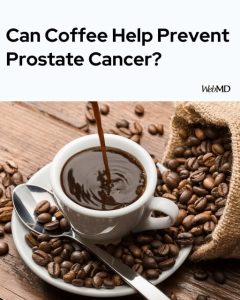
Yes, numerous studies show that drinking coffee is associated with a lower risk of developing certain cancers, particularly liver and endometrial cancers. The potential protective effects are attributed to coffee’s rich content of antioxidants and anti-inflammatory compounds.
Leading cancer research organizations have found convincing evidence that coffee likely reduces the risk of specific cancer types.
- Liver cancer: There is strong and consistent evidence that coffee consumption significantly lowers the risk of liver cancer (hepatocellular carcinoma).
- Endometrial (womb) cancer: Research indicates a protective effect, often in a dose-dependent manner, meaning higher consumption is linked to lower risk.
For other cancers, the evidence is considered limited but suggestive, meaning more research is needed to confirm a direct cause-and-effect relationship.
- Mouth, pharynx, and larynx cancers (head and neck)
- Skin cancers (melanoma and non-melanoma)
- Colorectal cancer
- Prostate cancer
- Caffeinated vs. Decaffeinated: Both regular and decaffeinated coffee appear to offer similar protective benefits for most cancers, suggesting the benefits stem from compounds other than caffeine, such as polyphenols and chlorogenic acids.
- Mechanisms: The protective effects are believed to be related to various biological mechanisms, including reducing oxidative stress, lowering inflammation, improving insulin sensitivity, and aiding DNA repair.
- Preparation Method: The temperature of the drink matters. The International Agency for Research on Cancer (IARC) concluded that drinking any beverage, including coffee, at a very high temperature (above 65°C or 149°F) is a probable cause of esophageal cancer, which is a common practice in some parts of the world. Allowing the drink to cool to a moderate temperature eliminates this concern.
- Overall Lifestyle: While coffee may be a beneficial addition to the diet, it is not a “magic bullet”. Maintaining a healthy lifestyle, including a balanced diet and regular physical activity, remains crucial for cancer prevention.
How Much Coffee Can I Drink?
Research shows protective effects in people who drink two to four cups of coffee per day. Studies also provide good evidence that even up to six cups of coffee per day do not increase the risk of cancer.
Of course, you’ll want to switch to decaf after three or four cups of coffee, since too much caffeine (more than 400 mg/day) can affect sleep and make you feel jittery. One cup (8 oz.) of coffee has about 90–110 mg of caffeine.











Discussion about this post