




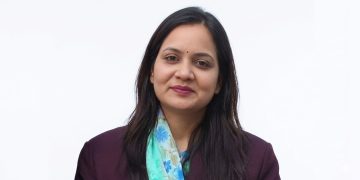







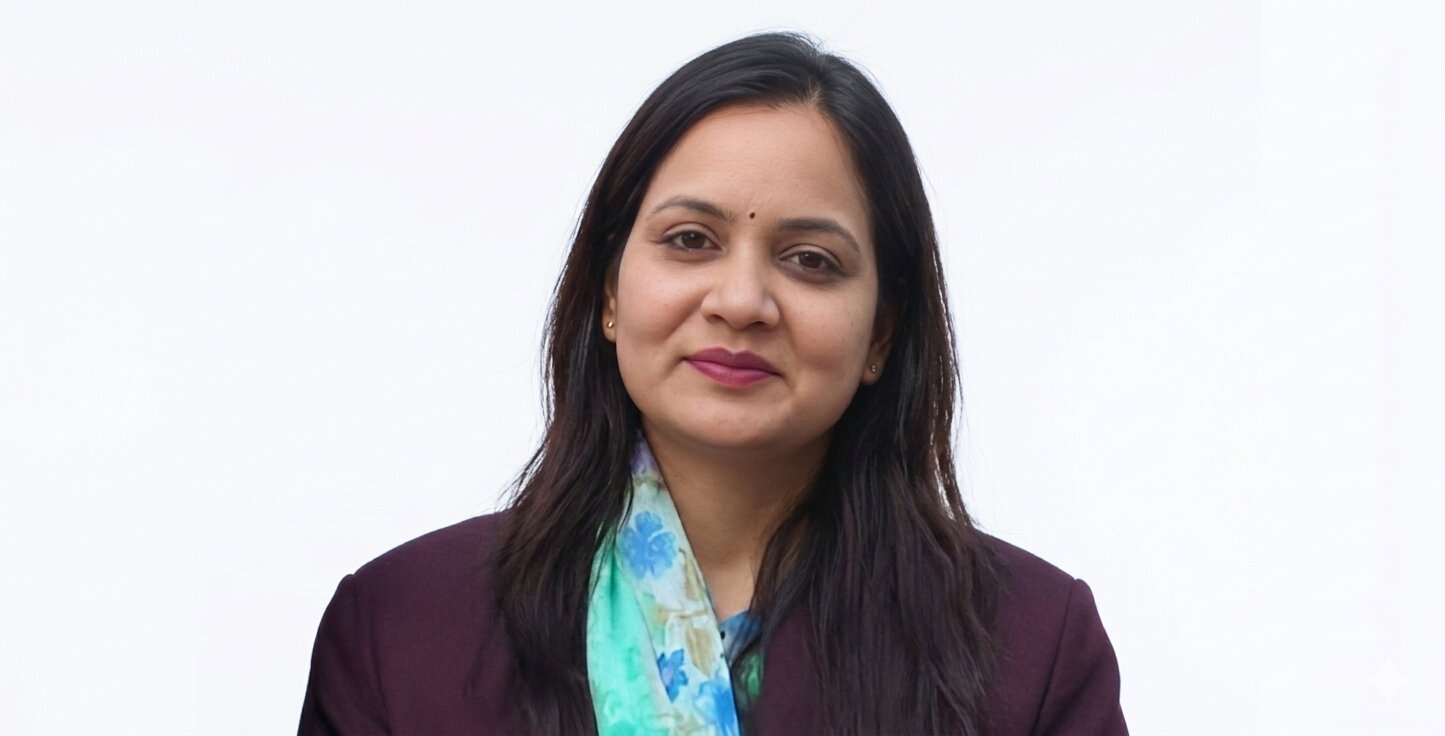
The appointment of Honorable Nisha Mehta as the Minister for Health and Population comes at a pivotal juncture in Nepal’s democratic and developmental history. As the nation navigates the complexities of a federal structure, the health sector stands as the most critical pillar of human development. In Nepal, health is not merely a service but a fundamental right guaranteed by the Constitution under Article 35.
Minister Mehta’s leadership is expected to bridge the gap between constitutional promises and the lived realities of millions of Nepalis, particularly those in the remote corners of the Karnali and Sudurpashchim provinces. This document outlines the strategic imperatives, systemic reforms, and visionary goals required to achieve “Universal Health Coverage” (UHC) in Nepal.
1. The Constitutional Mandate and Federalism
The primary responsibility of Hon. Minister Nisha Mehta is to operationalize the decentralization of healthcare. Under the federal model, health is a shared jurisdiction among federal, provincial, and local governments.
-
Policy Harmonization: The Ministry must ensure that provincial health directorates and local health posts are not working in isolation. Minister Mehta’s role is to create a seamless “referral circuit” where a patient starting at a rural health post can reach a tertiary super-specialty hospital without administrative friction.
-
Empowering Local Bodies: True healthcare reform starts at the ward level. The Minister’s vision includes equipping local health coordinators with the digital tools and financial autonomy needed to manage primary healthcare independently.
2. Strengthening the National Health Insurance Scheme (NHIS)
One of the most significant challenges facing Minister Mehta is the sustainability and expansion of the Health Insurance Program.
-
Reducing Out-of-Pocket Expenditure: Despite being a state-led initiative, many citizens still pay over 50% of their medical costs out of pocket. The Minister aims to broaden the benefit package and simplify the reimbursement process for hospitals.
-
Mandatory Enrollment: To make the insurance fund viable, the Ministry is looking toward a model of mandatory enrollment for formal sector employees while providing full subsidies for those below the poverty line.
-
Quality Assurance: Minister Mehta has emphasized that insurance is useless if the empanelled hospitals lack basic medicines. Her “Insurance-Pharmacy Linkage” initiative ensures that insured patients receive 100% of prescribed medicines within the hospital premises.
3. Human Resources for Health (HRH): The Brain Drain Crisis
Nepal produces world-class doctors and nurses, but a significant percentage migrates abroad for better opportunities.
-
Retention Strategies: Under Minister Mehta’s guidance, the Ministry is drafting a “Physician Retention Policy” which includes career progression pathways for those serving in rural areas, improved safety protocols, and performance-based incentives.
-
The “One Doctor, One Institution” (ODOI) Program: To curb the trend of government doctors spending excessive time in private practice, the Minister is advocating for the ODOI model, providing doctors with a “non-practicing allowance” and better workplace facilities to ensure their full dedication to public service.
4. The Double Burden of Disease: Communicable vs. Non-Communicable
Nepal is currently facing a “double burden.” While we still battle infectious diseases like Tuberculosis, Dengue, and Malaria, there is a skyrocketing rise in Non-Communicable Diseases (NCDs).
-
The NCD Epidemic: Hypertension, Diabetes, and Cancer now account for nearly 71% of deaths in Nepal. Minister Mehta’s “Lifestyle Revolution” campaign focuses on preventive care—promoting physical activity, reducing tobacco and alcohol consumption, and regular screening at the community level.
-
Pandemic Preparedness: Learning from the COVID-19 pandemic, the Minister is spearheading the establishment of a National Center for Disease Control (NCDC) and a high-tech Central Public Health Laboratory to detect and contain future outbreaks before they become national crises.
5. Infrastructure and Technological Integration
Modern healthcare cannot survive on 20th-century infrastructure. Hon. Minister Nisha Mehta is a strong proponent of “Digital Health.”
-
Telemedicine for the Himalayas: In areas where the nearest doctor is a three-day walk away, the Minister is expanding satellite-based telemedicine hubs. This allows specialists in Kathmandu to consult with paramedics in remote villages in real-time.
-
Electronic Health Records (EHR): The goal is to provide every citizen with a Unique Health ID. Whether a patient visits a clinic in Biratnagar or a hospital in Pokhara, their medical history should be accessible via a secure digital cloud.
-
Upgrading Tertiary Care: The Minister is overseeing the transformation of provincial hospitals into 500-bed teaching hospitals, reducing the overwhelming pressure on Kathmandu-based institutions like T.U. Teaching Hospital and Bir Hospital.
6. Maternal and Child Health: Finishing the Job
Nepal has been a global success story in reducing maternal mortality. However, the “last mile” remains the hardest.
-
Safe Motherhood: Minister Mehta is committed to increasing the number of birthing centers and ensuring that “Air-Lift” services for women in obstructed labor are expanded and properly funded.
-
Nutrition: Stunting and wasting among children remain high in specific pockets. The Ministry is integrating nutrition programs with school education, ensuring that the first 1,000 days of a child’s life are protected through state-supported supplementation.
7. Pharmaceutical Sovereignty and Regulation
Nepal’s dependence on imported drugs makes it vulnerable to supply chain shocks.
-
Boosting Domestic Production: Minister Mehta is working with the Ministry of Industry to provide tax holidays for Nepali pharmaceutical companies that produce life-saving drugs locally.
-
The Department of Drug Administration (DDA) Reform: To ensure that only high-quality, affordable medicines reach the market, the Minister is pushing for the modernization of the DDA, including more frequent laboratory testing of market samples.
8. Mental Health: Breaking the Stigma
For decades, mental health remained in the shadows of Nepali policy. Hon. Minister Nisha Mehta has brought it to the forefront.
“There is no health without mental health,” the Minister frequently states.
Her policy includes integrating mental health services into primary care. By training primary healthcare workers to identify depression and anxiety, the Ministry aims to destigmatize psychiatric care and provide affordable counseling and medication across all 753 local levels.
9. Emergency Medicine and Trauma Care
With the expansion of highways, road traffic accidents have become a major cause of mortality. The Minister’s roadmap includes:
-
Highway Trauma Centers: Establishing specialized emergency units at every 100km interval on major highways.
-
Integrated Ambulance Service: A single national emergency number (e.g., 102) to dispatch the nearest available ambulance equipped with basic life support.
10. Conclusion: The Path Forward
The tenure of Hon. Minister Nisha Mehta represents a shift from “charity-based health” to “rights-based health.” Her approach is holistic—combining rigorous policy reform with a compassionate understanding of the plight of the common citizen.
The road ahead is undoubtedly difficult. Resource constraints, political fluctuations, and deep-seated bureaucratic hurdles persist. However, with a clear focus on Equity, Accountability, and Innovation, Minister Mehta is positioned to leave a legacy where no Nepali citizen has to choose between their life and their livelihood.
Under her leadership, the Ministry of Health and Population is not just treating illnesses; it is building a resilient, healthy, and prosperous nation. As we move toward the 2030 Sustainable Development Goals (SDGs), the strategies implemented today by Minister Mehta will serve as the foundation for a healthier Nepal for generations to come.
“A healthy nation is a wealthy nation. Our mission is to ensure that quality healthcare is not a luxury for the few, but a reality for all.” — Hon. Nisha Mehta
copyright : DrRj – MedicoNepal









Discussion about this post