














Dark Urine: A Potential Indicator of Liver Problems
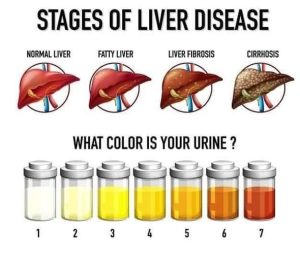
Urine color is a commonly overlooked indicator of overall health, often reflecting hydration levels more than anything else. However, when urine turns dark—specifically tea-coloured, cola-coloured, or dark brown—it can be a critical warning sign of an underlying health condition. One of the most serious causes of persistently dark urine is a malfunction of the liver or gallbladder.
Dark urine associated with liver disease is often accompanied by other, more distinct symptoms, such as jaundice (yellowing of the skin and eyes) or pale, clay-coloured stools. Recognizing these signs early is crucial, as they often signal that the liver is struggling to process toxins, potentially indicating conditions ranging from hepatitis to cirrhosis.
The Role of the Liver and Bilirubin
To understand why a malfunctioning liver causes dark urine, it is essential to understand the liver’s role in breaking down old blood cells.
- Bilirubin Production: When old red blood cells are broken down, they produce a yellow-brown pigment called bilirubin.
- Processing: A healthy liver processes this bilirubin (conjugation) and secretes it into bile.
- Elimination: This bile is then sent to the intestines to aid digestion, giving stool its brown color.
- The Breakdown: When the liver is damaged or diseased (as in hepatitis, fatty liver, or cirrhosis), it cannot properly process or eliminate bilirubin. The excess conjugated bilirubin builds up in the bloodstream.
- Excretion: Because the liver can no longer send the bilirubin out via the intestines, the kidneys filter the excess bilirubin from the blood, depositing it into the urine. This turns the urine a deep brown, tea, or orange color.
Liver Conditions Associated with Dark Urine
Dark urine is rarely the first symptom of liver disease, but it typically appears when the liver is actively inflamed or significantly scarred.
1. Hepatitis (Acute and Chronic)
Hepatitis is the inflammation of the liver, frequently caused by viral infections (A, B, C, D, E), autoimmune diseases, or excessive alcohol intake. During an acute flare-up of hepatitis, the liver is too damaged to manage bilirubin, resulting in brown urine, accompanied by fatigue, abdominal pain, and jaundice.
2. Liver Cirrhosis
Cirrhosis is the advanced stage of liver scarring (fibrosis) caused by chronic, long-term liver disease. As liver tissues turn to scar tissue, the liver’s structure is disrupted, preventing normal bile flow. Dark urine is a common symptom in advanced cirrhosis or “decompensated” liver disease.
3. Gallstones and Bile Duct Obstruction
If the bile ducts are blocked—either by gallstones, tumors (pancreatic or liver cancer), or inflammation—the bile cannot drain from the liver. This causes cholestasis (reduced bile flow), leading to a buildup of bilirubin, resulting in dark urine and pale-colored stools.
4. Advanced Fatty Liver Disease (NASH)
Simple fatty liver disease usually does not cause symptoms. However, if it progresses to Non-Alcoholic Steatohepatitis (NASH), where the liver becomes severely inflamed, the liver dysfunction can cause dark urine.

The “Triple Threat” Symptoms: When to Seek Help
Dark urine is a concerning symptom, particularly when accompanied by other signs of liver distress. The combination of the following symptoms constitutes a “classic triad” requiring urgent same-day medical assessment:
- Dark-colored urine (tea/cola-coloured).
- Jaundice (yellowing of the whites of the eyes and the skin).
- Pale or clay-coloured stools.
Other symptoms that may accompany this triad include:
- Intense itching (pruritus) without a skin rash, caused by bile salts accumulating in the skin.
- Abdominal swelling (ascites), specifically on the right side.
- Easy bruising or bleeding, indicating the liver is failing to produce clotting factors.
- Profound, persistent fatigue that doesn’t improve with rest.
Other Causes of Dark Urine (Non-Liver Related)
While dark urine can indicate liver problems, it is important to rule out other, more common causes.
- Dehydration: The most common reason for dark urine. Concentrated urine turns dark yellow or amber. If drinking water solves the issue, it was likely dehydration.
- Foods: Consuming high amounts of fava beans, rhubarb, or aloe can cause dark brown urine.
- Medications: Antibiotics (metronidazole), laxatives containing senna, anti-malarial drugs, and certain chemotherapy drugs can cause urine to turn orange or brown.
- Kidney Problems: Kidney infections, stones, or kidney failure can cause dark, tea-colored urine.
- Extreme Exercise: Severe muscle damage (rhabdomyolysis) from intense exercise can cause brown urine and requires immediate medical attention.
Diagnosis and Next Steps
If you experience persistent dark urine, especially if it does not clear up after increasing your water intake, you should consult a doctor. The following tests are commonly used to assess liver health:
- Liver Function Tests (LFTs): Blood tests measuring ALT, AST, ALP, and GGT to identify liver cell inflammation or bile duct obstruction.
- Bilirubin Tests: Measures total and direct bilirubin levels to confirm if the dark urine is due to high bile pigment.
- Imaging: Ultrasound, CT scan, or FibroScan (transient elastography) to view the liver, detect cirrhosis, or look for gallstones.
Summary
Dark, tea-coloured urine is a significant, tangible symptom that should not be ignored. While it can be caused by simple dehydration, it is a hallmark sign of advanced liver dysfunction or bile duct issues. When accompanied by jaundice or pale stools, it suggests serious liver disease (such as hepatitis or cirrhosis) and warrants urgent medical evaluation to prevent further damage.
Disclaimer: This article is for informational purposes only and does not constitute medical advice. If you are experiencing dark urine, please consult a healthcare professional.
Copyright@DrRJB











Discussion about this post