













A Health Assistant (HA) is a vital mid-level health professional who provides essential medical services, especially in rural and underserved areas. They are primarily trained through the Proficiency Certificate Level (PCL) in General Medicine, a three-year program supervised by the Council for Technical Education and Vocational Training (CTEVT).
Roles and Responsibilities
Health Assistants act as a bridge between the community and higher-level medical care. Their duties are diverse, spanning clinical, administrative, and public health sectors:
- Clinical Care: Assist in examining and treating patients, performing minor surgical procedures (e.g., sutures, debridement), and prescribing essential medicines for common illnesses.
- Emergency Management: Manage emergency departments, assess in-patients, and interpret laboratory results.
- Public Health & Education: Plan and implement vaccination drives, nutrition programs, and family planning services. They educate communities on hygiene, disease prevention (e.g., TB, HIV/AIDS), and healthy lifestyles.
- Administrative Leadership: Often serve as the “Health Post Manager” in rural settings, managing patient records, inventory, and supervising junior staff like CMAs and ANMs.
Education and Eligibility
To become a Health Assistant in Nepal, candidates must meet the following criteria:
- Educational Background: Completion of SEE (Secondary Education Examination) with a minimum GPA of 2.0 and at least a “C” grade in Compulsory Science, Math, and English.
- CTEVT Program: Enrollment in a 3-year PCL in General Medicine program. The curriculum includes one year of basic sciences followed by two years of applied clinical science and field practice.
- Licensing: Graduates must pass the licensing examination conducted by the Nepal Health Professional Council (NHPC) to practice legally as a registered “Grade B” professional.

Salary and Benefits (2082 B.S. / 2026)
The salary of an HA varies significantly based on experience and the sector of employment:
- Government Sector: As a 5th-level officer, the basic salary is approximately NPR 36,242 per month. With dearness, uniform, and medical allowances, total monthly pay can reach NPR 45,000 to NPR 60,000.
- Private Sector: Entry-level roles in clinics may start between NPR 15,000 and NPR 30,000. However, experienced HAs in major hospitals or international NGOs (INGOs) can earn NPR 70,000+ monthly.
- Allowances: Those posted in remote or high-risk areas receive a Remote Area Allowance.
Career Scope and Advancement
The scope for HAs in Nepal is extensive, with opportunities in:
- Public Institutions: Health Posts (HP), Primary Health Care Centers (PHCC), and District Hospitals.
- Private & NGO Sectors: Polyclinics, nursing homes, and research programs focused on non-communicable diseases (NCDs).
- Further Studies: HAs can pursue a Bachelor in Public Health (BPH) or bridge courses to enter MBBS programs.
Would you like more information on specific CTEVT-affiliated colleges or details on the NHPC licensing exam syllabus?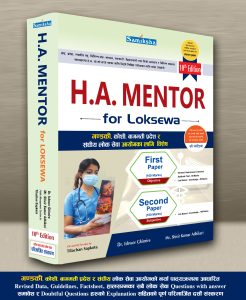
Copyright@mediconepal.com








Discussion about this post